What happens when a student notices a problem and, instead of simply discussing it in a classroom, gets the time, tools and support to do something about it?
That is the idea behind the Young Founders Challenge (YFC) at Ekya Schools and CMRNPUC
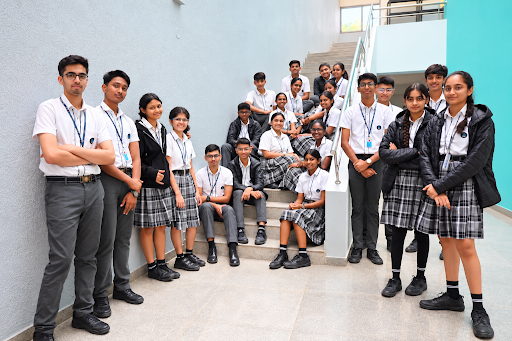
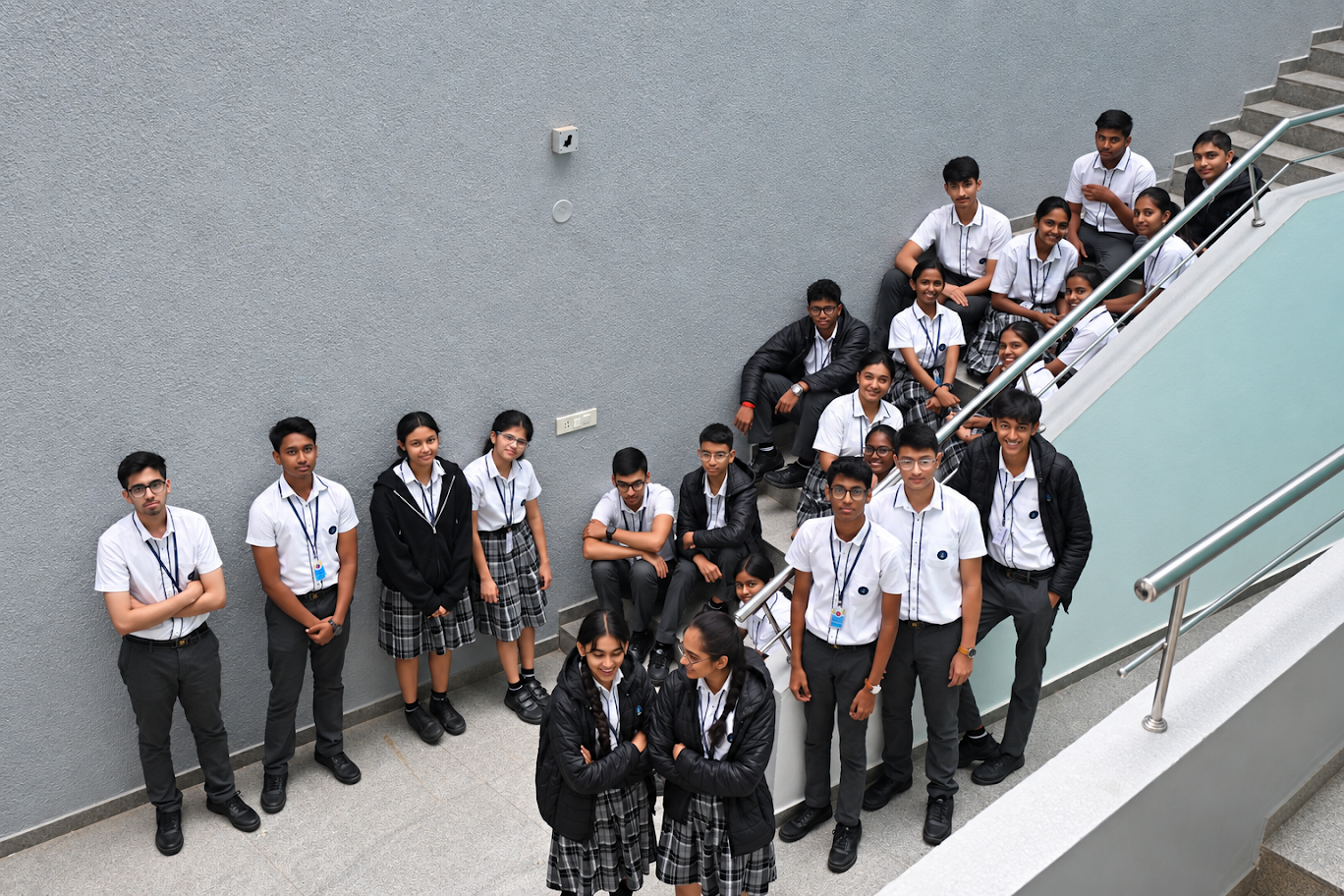
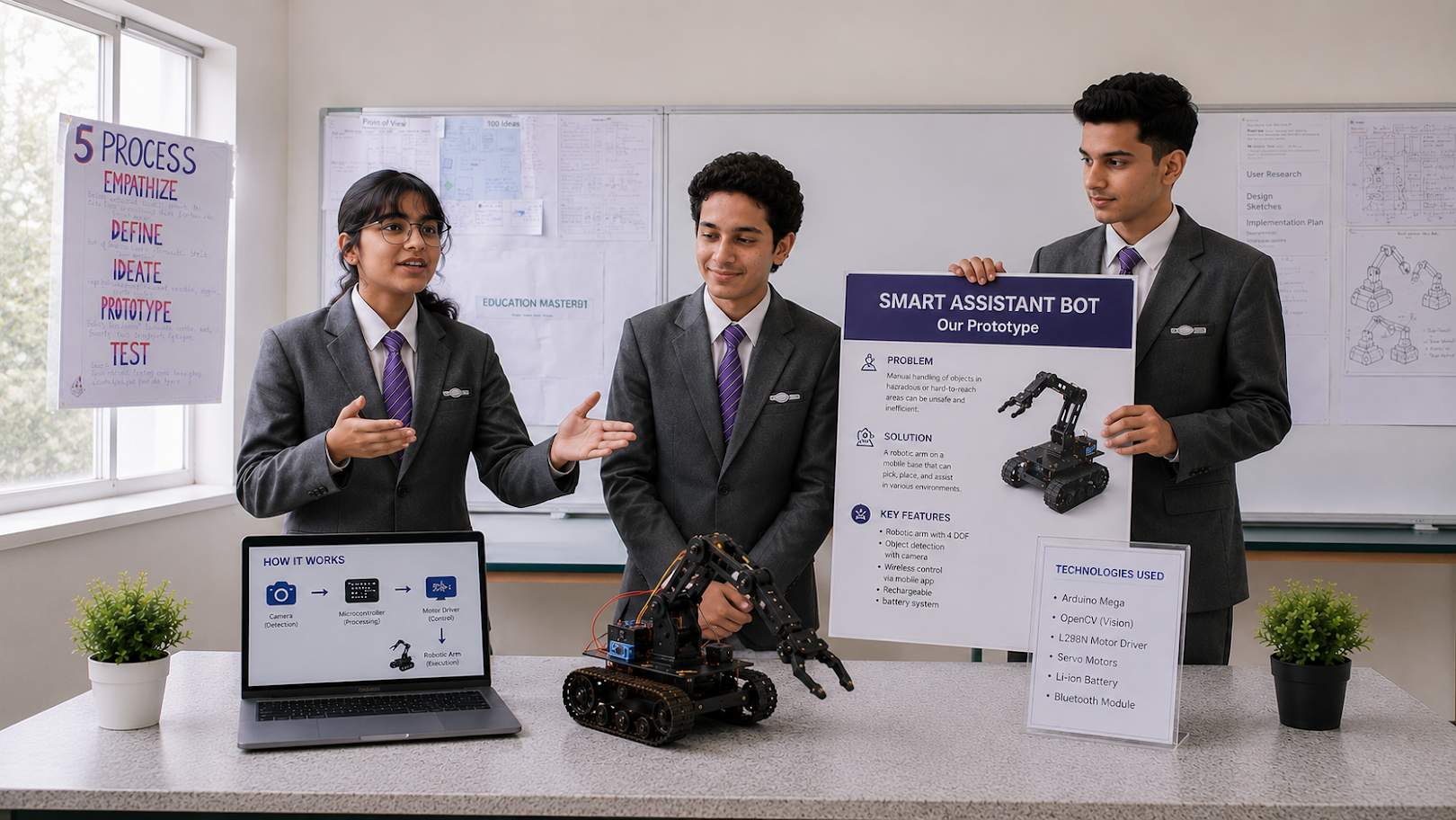
Students from Grades 8 to 12 begin with problems they notice around them. They research, speak to people, question their assumptions, develop solutions, build prototypes, test their thinking and learn how to present their ideas.
But the goal is not simply to create another school project.
It is to help students experience what it means to take an idea seriously and discover what it takes to turn that idea into something real.
It Begins With Believing in Student Ideas
For Dr. Tristha Ramamurthy, Founder of Ekya Schools, this way of thinking began long before the Young Founders Challenge.
For years, students have been encouraged to look at the world around them, identify problems and imagine possible solutions.
Some proposed ideas such as walking tracks that could generate electricity. Others imagined exoskeletons that could help people move.
At the time, some of these ideas seemed far ahead of what students could realistically create.
Today, similar technologies exist.
Looking back at these ideas reveals something important.
Young people often imagine possibilities before deciding what is or is not possible.
That thinking became part of the foundation of YFC: give students the space to imagine, investigate, build, improve and see how far an idea can go.
The question is no longer simply:
“Is this possible?”
It becomes:
“What would it take to find out?”
From an Idea to a Real Problem
Having an interesting idea is only the beginning.
Students soon discover that building a meaningful solution requires them to understand the problem first.
Who experiences it?
Why does it happen?
What solutions already exist?
What do people actually need?
And is the solution they are imagining genuinely useful?
One student team described an important shift in its thinking:
The problem is not for us. It is for the people experiencing it.
Before creating anything, the students realised they first needed to understand the people they hoped to help.
That changes the questions they ask.
Instead of only asking:
“Is our idea interesting?”
They begin asking:
“Does this problem really exist?”
“Who experiences it?”
“What do they actually need?”
“Is something like this already available?”
“How can we make our solution more useful or accessible?”
For students, this is where entrepreneurship begins to connect with empathy.
What Mentors See in Young Founders
The learning becomes even more meaningful when professionals from outside the classroom join the process.
Kiran Vishwanathan, a sales leader at an MNC, has been mentoring students through the Young Founders Challenge.
One of the first things he noticed was their eagerness.
Students were already balancing academics and other activities, yet they were willing to spend time researching their ideas, working with their teams and taking their thinking further.
When asked whether students as young as 13 to 16 could really become entrepreneurs, he reflected on something adults can sometimes overlook.
We can be quick to decide what young people are capable of before giving them an opportunity to show us.
Instead, he suggested paying attention to their talents, understanding how they think and giving them meaningful opportunities to explore those abilities.
Looking back at his own school years, he also shared that he wished he had been exposed to an experience like this much earlier.
And that is exactly why early exposure matters.
Entrepreneurship Looks Different When You Actually Try It
From the outside, entrepreneurship can appear straightforward.
Have an idea.
Build a product.
Start a company.
Students quickly discover that the real process is far more complex.
One YFC team, for example, found that one of the most challenging parts of developing its idea was understanding the legal requirements connected to it.
There were documents to understand, processes to follow and questions the team had never considered before.
The lesson became clear:
Having an idea does not immediately mean having a business.
Students begin encountering the realities behind entrepreneurship.
They research.
They get stuck.
They ask questions.
They seek guidance.
They change their assumptions.
And then they try again.
This is what makes the experience different from learning entrepreneurship only through definitions or case studies.
Students are learning while making real decisions.
Learning to Research Before Building
Another important shift happens when students begin exploring what already exists.
One team studied products available in the market before deciding where its own idea could add value.
That process makes students look beyond the excitement of creating something new.
They begin considering:
- Who would use this?
- What alternatives already exist?
- What makes our solution different?
- Is it practical?
- Is it accessible?
- Would someone actually need it?
By the time students prepare their pitches, they are no longer presenting only an idea.
They are thinking about users, markets, research, accessibility, feasibility, responsibility and value.
The idea has been questioned, challenged and refined.
Why Student Entrepreneurship Matters
The impact of the Young Founders Challenge is not measured only by whether a student eventually launches a company.
The deeper learning is in how students begin approaching problems.
They discover that a good solution requires more than creativity.
It requires listening, research, collaboration, testing and reflection.
It also requires being comfortable with the possibility that the first answer may not be the best one.
Students describe YFC as an opportunity to move beyond what they usually do, collaborate with others, exchange ideas and solve challenges together.
They also begin building confidence because they are practising skills in real situations rather than learning about them only in theory.
Communication becomes something they use while interviewing people.
Collaboration becomes something they experience while working with teammates.
Critical thinking becomes necessary when an assumption turns out to be wrong.
Problem-solving becomes real when a prototype does not work as expected.
What Happens After the Idea?
Students have ideas all the time.
What makes the Young Founders Challenge different is what happens after the idea.
Students are expected to investigate whether the problem is real.
They speak to people.
They work with mentors.
They research what already exists.
They think about the people who may use their solution.
They build and refine prototypes.
They prepare to answer difficult questions.
And they take responsibility for their choices.
One student described YFC as giving students the freedom to choose something they genuinely wanted to work on and the opportunity to create something meaningful.
That freedom comes with responsibility.
There is no answer at the back of the book.
Students have to make decisions.
Sometimes those decisions work.
Sometimes they do not.
When something fails, students have to understand why, rethink their approach and decide what to do next.
Often, that is where the most valuable learning happens.
Building Skills That Go Beyond Entrepreneurship
Not every participant in the Young Founders Challenge will become an entrepreneur.
They do not need to.
The experience develops skills that extend far beyond starting a business.
Students practise how to:
- notice problems before rushing towards solutions
- listen to perspectives different from their own
- research before making assumptions
- communicate an idea clearly
- work through disagreement in a team
- receive feedback without giving up
- test whether an idea works in the real world
- change direction when evidence suggests they should
These are skills students can carry into university, careers and the many unfamiliar problems they will encounter later in life.
An Idea Is Only the Beginning
The Young Founders Challenge begins with student imagination.
But it does not stop there.
An idea has to meet research.
Research has to meet real people.
A prototype has to be tested.
Feedback has to be heard.
And sometimes students have to return to what they created and admit:
“This part isn’t working yet.”
Then they build again.
Perhaps that is one of the most useful things a young founder can learn.
Success does not begin with having the perfect idea.
It begins with being curious enough to notice a problem, brave enough to try something and willing enough to keep asking better questions.
Because when students are trusted to take their ideas seriously, they often begin taking their own potential more seriously too.
Have an Idea Worth Exploring?
The Young Founders Challenge is open to students beyond Ekya Schools and CMR Institutions too. Bring your idea. Build your team. Explore the problem. Test your thinking. See how far you can take it.
Register Link – youngfounderschallenge.com